

Anti-Human Trafficking Project in Nepal: Creating a Safer Environment for Girls and Children
Nepal’s open 1,750-kilometre border with India, coupled with limited monitoring in some areas, has made the region a prime target for human traffickers. Currently, an estimated 1.9 million people in Nepal remain at risk of being trafficked. Many are lured by false promises of employment or marriage, only to find themselves trapped. Countless children and girls are being trafficked and stripped of their freedom, which may lead them to be forced into child labour, endure long hours of coerced work and even face violence and sexual exploitation, leaving them with deep physical and psychological scars.
Shining a Light on Risks and Strengthening Community Safeguards
Bardiya District, situated along the Nepal–India border, is one of the areas where suspected trafficking cases frequently emerge. To address these grave concerns, Plan International, with the generous support of donors and corporate partners, has been implementing the two-year Surakshya (Nepali word meaning safeguarding and protection) Project (the “Project”) in the region since 2025, aiming to empower vulnerable children and girls through education, raise community awareness of trafficking risks, and build a safer, more inclusive environment.
Over the past year, the Project has sensitised 1,552 parents (264 men and 1,288 women) on human trafficking and child protection concerns. Among them was Kita (pseudonym), who lives with her husband and six-year-old son in Bardiya, a remote area in Nepal near the border with India. Through the Project’s educational sessions, Kita gained a deeper understanding of the trafficking crisis. As she recalls, “At first, I didn’t know much about human trafficking,” she admits. “I thought it was something that happened far away or to other people. But during the session, I learned what it really is, how traffickers operate, and the risks children and families face.”
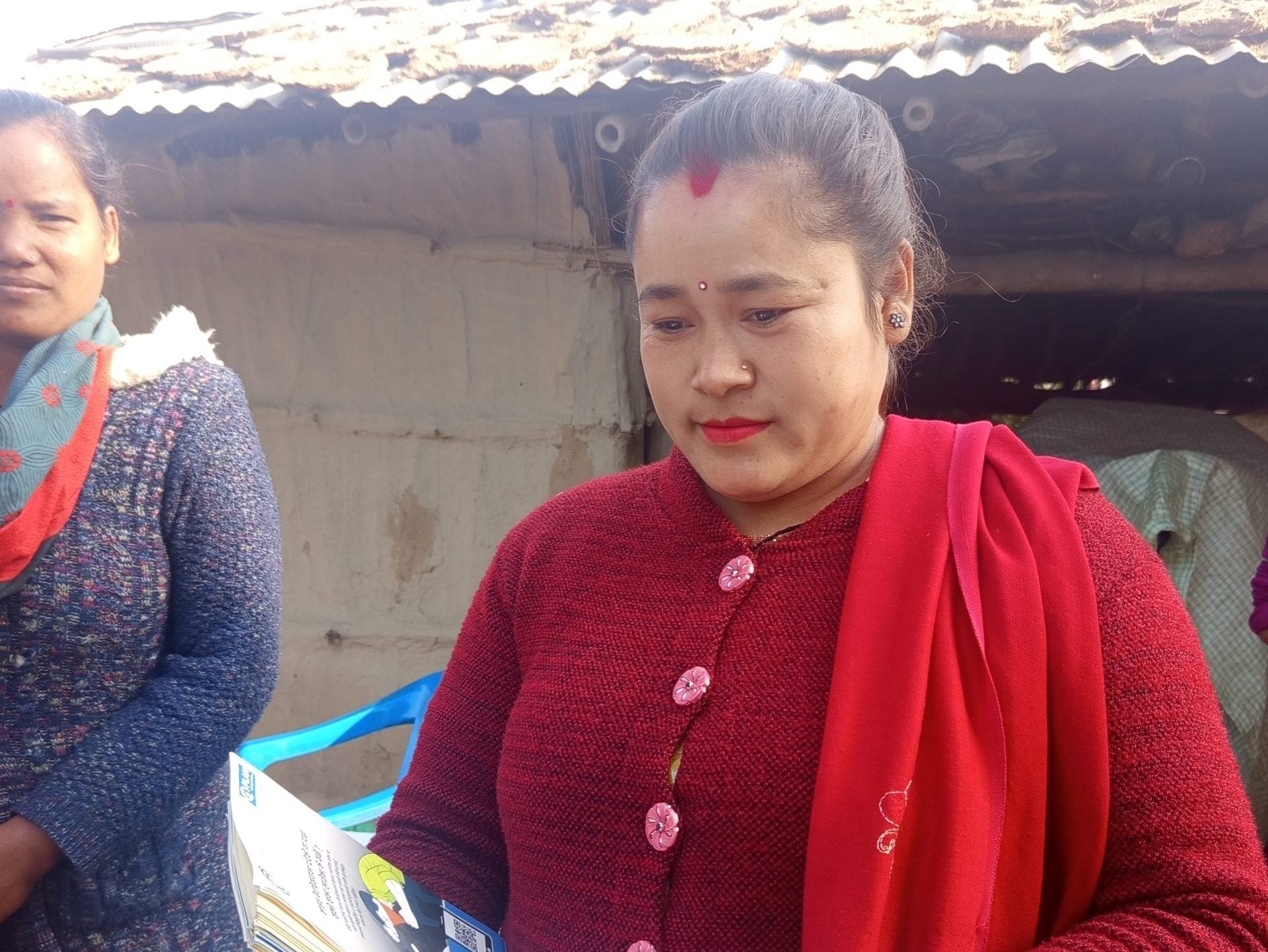 Kita recalls one moment that struck her deeply: “I learned that traffickers often exploit trust or misinformation. They target families who are unaware, illiterate, or struggling financially. That hit me hard—I realized my family could be at risk if I didn’t pay attention.”
Kita gained invaluable knowledge during the training, equipping her to better care for her child and protect him from daily dangers. She reflected, “I now check where my child goes, who he spends time with, and make sure I understand his social circle. I learned that being alert about children’s environments can make a big difference.” Recognising the community’s lack of awareness regarding human trafficking, Kita and 37 other mothers actively launched an initiative that has now reached 4,385 households, raising awareness and understanding of the human trafficking crisis among more residents.
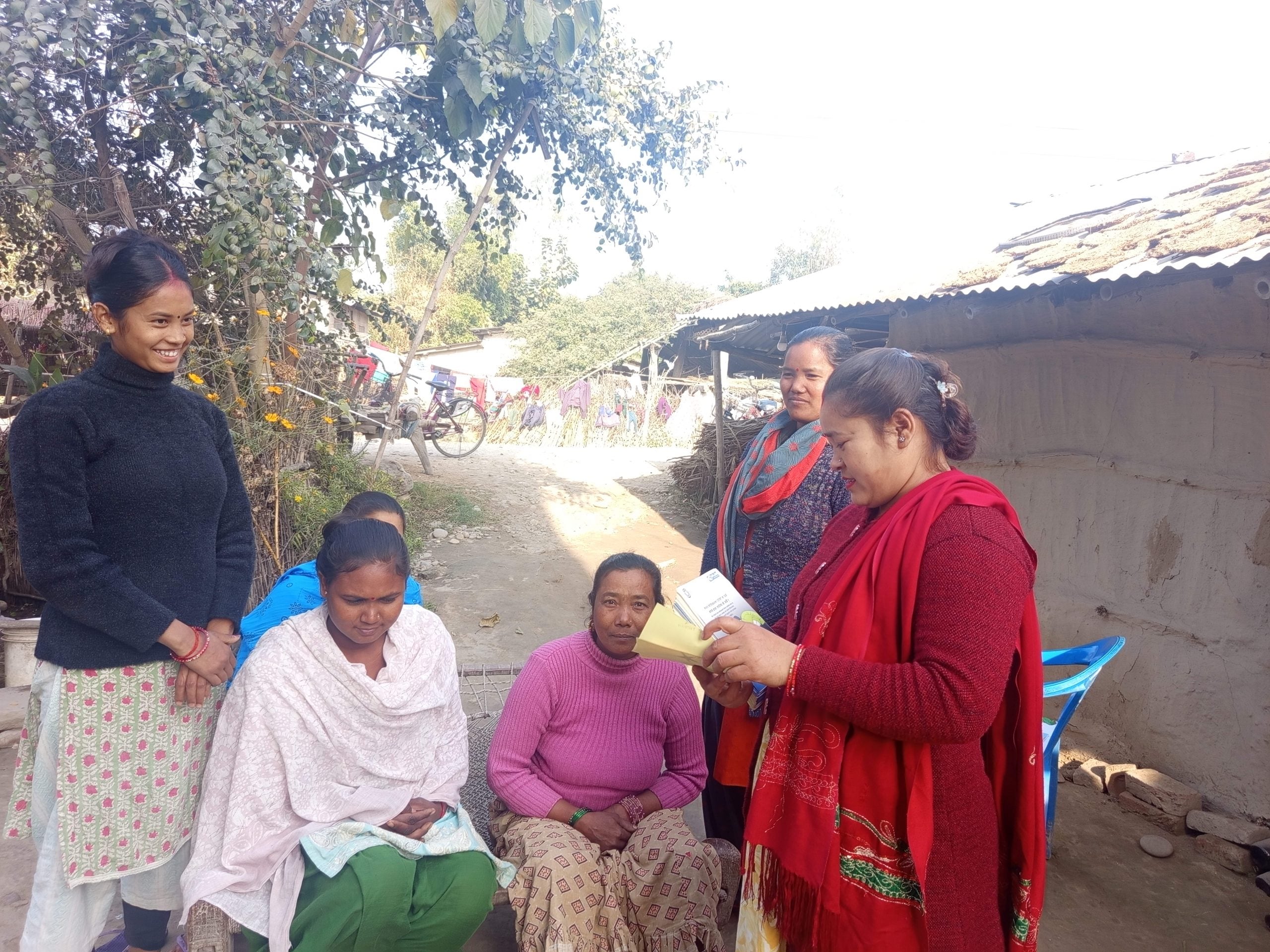 Kita (wearing red) actively advocates for women in the community, urging them to be more vigilant.
Young Advocates Leading the Way and Driving Community Change
Last year, the Project successfully rolled out 18 “Sticks and Stones” sessions in 10 community schools, reaching 1,143 junior secondary students with information on children’s rights and equipping them with the skills to identify risks and stay safe.
To further strengthen youth engagement, 40 young volunteers in Bardiya were trained on issues related to human trafficking through group work, Q&A sessions, role plays, and interactive discussions. This training not only expanded their knowledge but also built their confidence, engaging them as Youth Ambassadors who actively advocate for and promote child protection within their communities. Lachina (pseudonym), a 19-year-old from a family reliant on manual labour, once faced the prospect of dropping out of school and was unable to attend classes regularly due to financial struggles.
However, through the Project, Lachina became a Youth Ambassador. “At first, I was shy and quiet, just attending the sessions. But slowly, I started to feel confident and realised that I could do more than I thought. The club helped me find my voice and showed me that my ideas and opinions matter,” she shared.
Lachina and other youth advocates have organised awareness programmes in villages and schools, using fun and creative ways like street dramas to raise residents’ awareness on human trafficking and empower them with self-protection strategies.
 Lachina and other youth ambassadors run community activities to raise awareness of human trafficking and support women in protecting themselves.
Frontline Guardians Who Detect Trafficking at the Border
To combat human trafficking more effectively, Plan International and local partners supported the operation of an information booth at the border area, with staff closely monitoring the streets of the border region daily to identify suspicious cases. We have provided training for border duty bearers, enhancing their knowledge and operational preparedness through discussions of trafficking routes, border cooperation, and case sharing, to identify, prevent, and respond to human trafficking cases while ensuring the safety and dignity of survivors. Last year, border duty bearers successfully intercepted 29 suspected cases (27 of which involved women and adolescents as victims), ensuring timely intervention, shelter, and legal assistance for the victims.
Today, we see glimmers of hope sprouting in the community. In 2026, we will continue to further support vulnerable children and girls in communities in Nepal through the Surakshya Project, safeguarding their futures and protecting them from the scourge of human trafficking.
| < Tai Po Wang Fuk Court Fire Quarterly Report | One-Year Report on the Myanmar Earthquake > |
