

One-Year Report on the Myanmar Earthquake | From Despair to Hope: Supporting Children on the Path to Recovery
One year has passed since a powerful earthquake struck Myanmar. Recovery remains an ongoing process for many children and families, from the loss of loved ones to rebuilding homes, and restoring livelihoods, and accessing essential services. The earthquake claimed the lives of at least 3,768 people, injured more than 5,100 people and left 38 missing, disrupting the lives of more than 17.2 million individuals across Myanmar.
Following the earthquake, Plan International has provided immediate lifesaving assistance to affected families and has continued to support early recovery efforts, covering 11 townships across Mandalay, Sagaing Regions and Southern Shan. Activities included school meal support, hygiene kit distributions, water tank installations, and child protection programming with local organisations and community groups.
Thanks to the timely support from our donors, Plan International Hong Kong has raised more than HK$1.13 million, together with the global total of over HK$33.4 million, for the earthquake response, providing immediate long-term assistance to the disaster victims.
Report on Immediate and Long‑Term Humanitarian Assistance
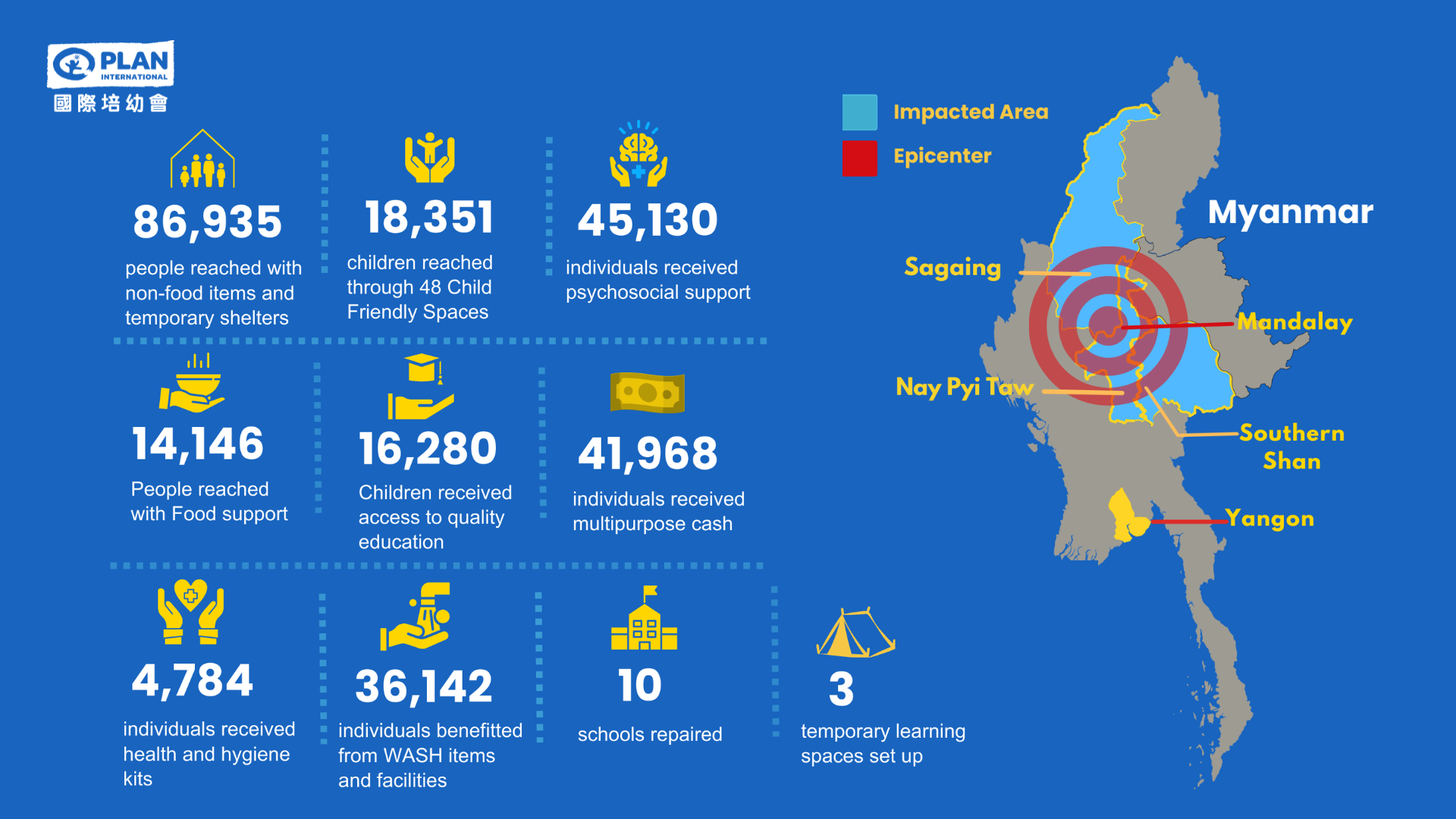
As of 5th March 2026, our response has reached 219,098 people, with women and girls representing 55.3% of those supported. Our response placed a strong focus on supporting women and girls, who often face heightened vulnerabilities following disasters.
Essential relief support
During the initial response phase, our teams delivered lifesaving assistance included food and non-food items, water and sanitation support, and health and wellbeing sessions.
- 14,146 people received food assistance
- restore access to clean water, sanitation and hygiene facilities reached more than 36,142 people
- 86,935 people received support through shelter materials, non-food items (NFIs) and hygiene kits (containing essential toiletries, as well as essential supplies), including:
- 5,780 shelter kits
- 1,400 essential supply kits for young women
- 300 family hygiene kits.
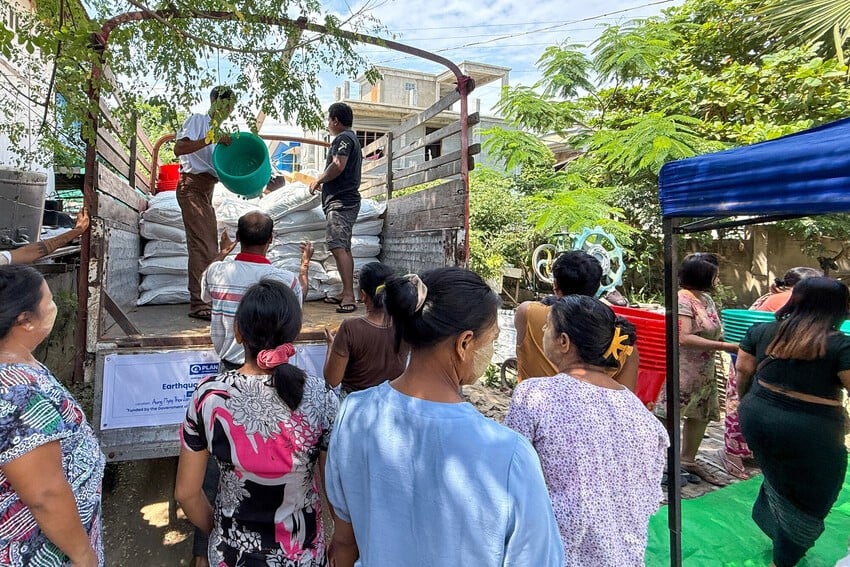 We distributed a variety of supplies to the affected, including hygiene items (such as personal care products and clothing), kitchenware (such as cookware and pots), and basic household necessities (including blankets, sleeping mats, waterproof sheets, and mosquito nets) to help families meet daily needs, maintain health and hygiene, and reduce the risk of disease outbreaks.
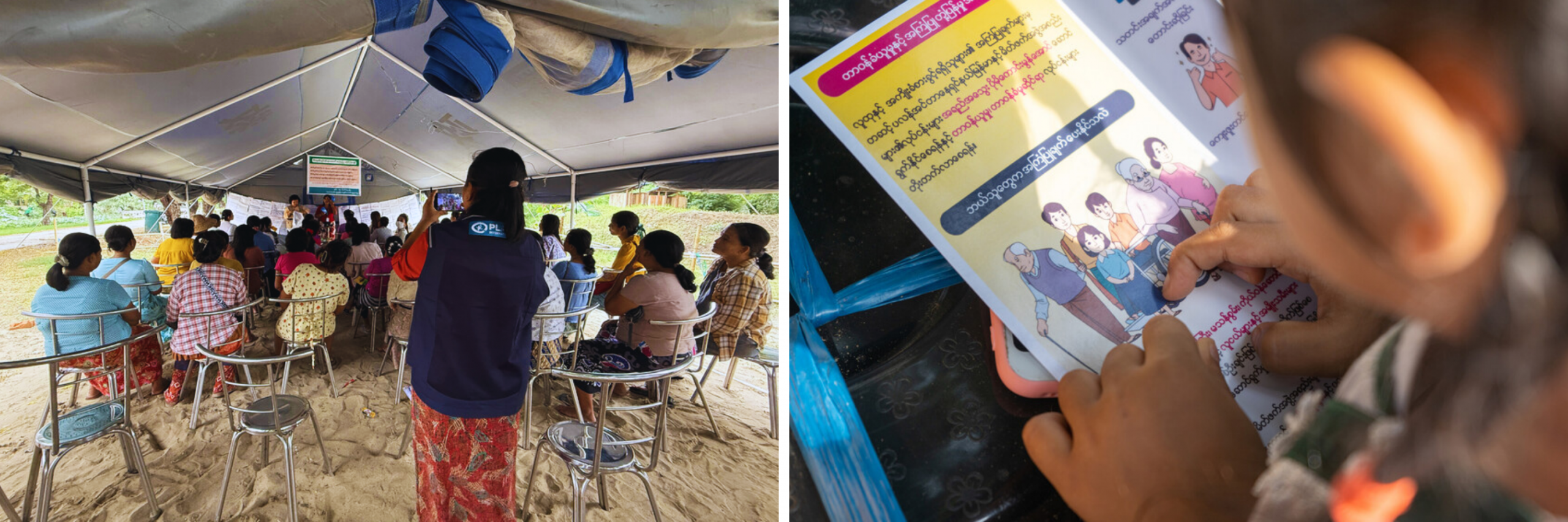 In addition to distributing supplies, we also helped strengthen residents’ self‑protection awareness through informational talks and leaflets.
Medium to Long-term Support
As the response evolved, our work increasingly focused on education, child protection and climate resilience, as well and cash assistance to help families restore livelihoods.
Child protection and education:
- 48 child-friendly spaces across five townships
- 18,351 children accessed safe spaces to play, learn and receive psychosocial support
- education recovery by distributing students’ kits to 1,633 children across 19 schools
- 16,280 individuals benefited from education interventions:
- repaired damaged school facilities
- established three Temporary Learning Spaces
- conducted minor repairs in ten schools
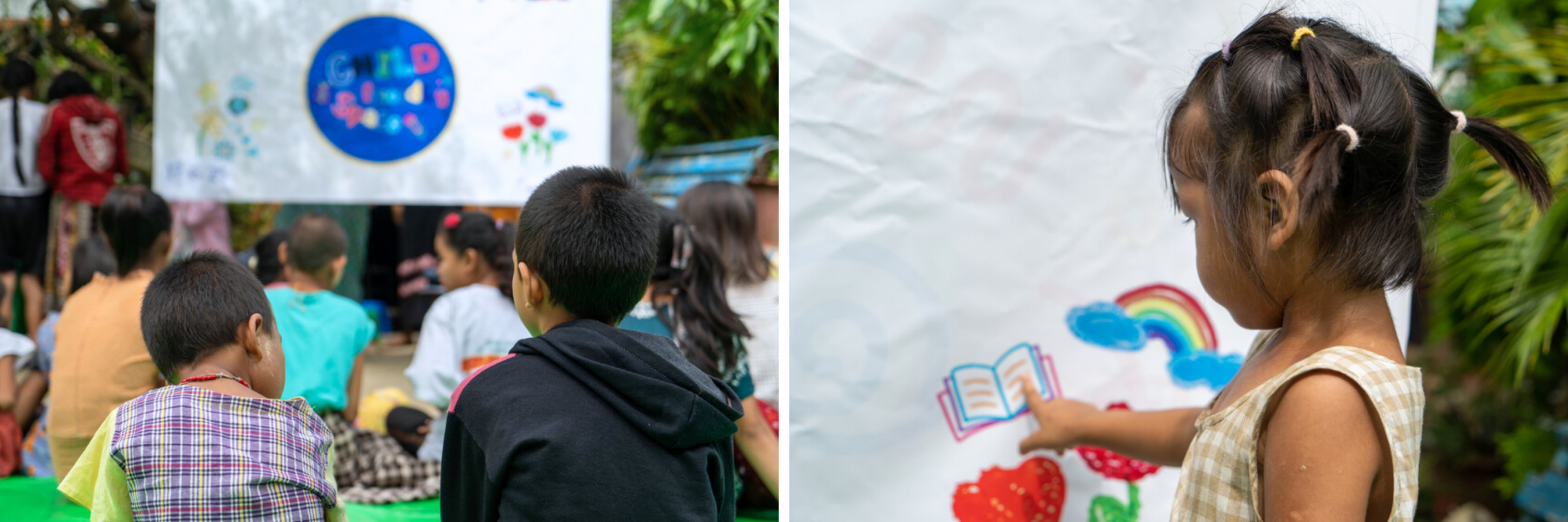 Children accessed safe spaces to play, learn and receive psychosocial support.
Mental Health and Psychosocial Support
Mental Health and Psychosocial Support (MHPSS) helped families cope with trauma, rebuild resilience and begin to recover from the emotional impacts of the disaster.
- 45,130 individuals received psychosocial support. This included 66 persons with disabilities and 39 pregnant and lactating women.
Cash Assistance and Livelihoods Support
- A total of 41,965 individuals, more than half of whom were girls and women, received multipurpose cash assistance, this support enabled families to purchase essential goods, meet daily needs, and support small income-generating activities as they rebuild their livelihoods.
Case Story
Wai (pseudonym) , a mother of two daughters, was looking after her baby when the earthquake hit, injuring her older daughter and leaving both children extremely frightened. This terrifying experience left the family feeling extremely shaken, and her younger daughter struggled to sleep in the days following the disaster. Wai’s husband lost his job when a nearby bridge collapsed, and her tailoring business came to a halt. As the prices of basic goods increased, the family began to fall into debt.
Support from Plan International helped the family to start rebuilding their lives. Wai’s daughters started attending a child friendly space, where trained facilitators provided emotional support and ran play and learning activities. Over time, the children became calmer and more confident. Wai also received 360,000 MMK (70 USD) through a multipurpose cash transfer, enabling her to buy food, repay some debts and restart her tailoring business.
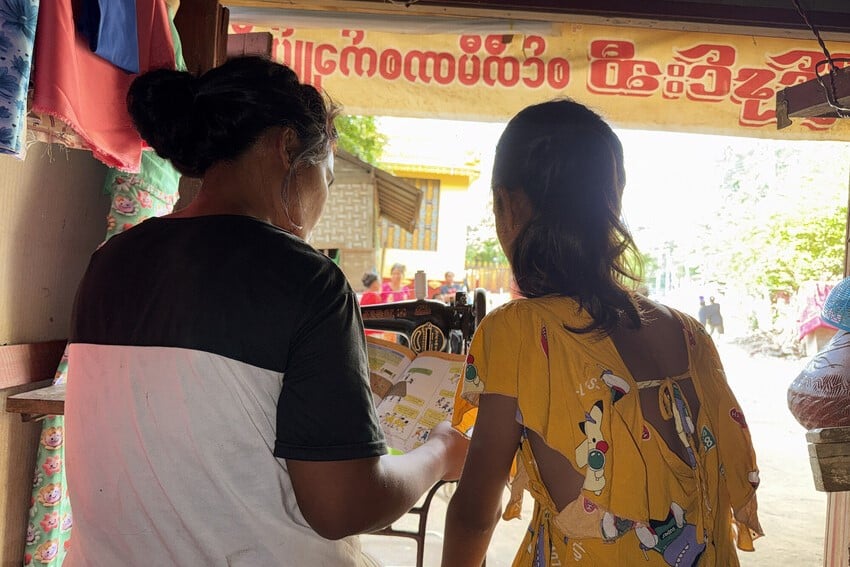 The cash assistance helped Wai‘s family to buy food and start rebuilding our small tailoring business.
Today, Wai is continuing to rebuild her small business while her daughter attends sessions at the child friendly space. Seeing her laugh and play again gives Wai renewed hope as her family slowly works towards rebuilding their lives.
One year after the earthquake, many communities continue to face significant humanitarian challenges. Children and families require ongoing child protection and psychosocial support, particularly girls and young women who face heightened risks following disasters. Working closely with local partners and communities, Plan International Myanmar aims to ensure that disaster victims have access to clean food and water, as well as repaired damaged school and healthcare facilities. We also provide appropriate psychological support to children, parents, caregivers, and those in need, so they can maintain their physical and mental well-being and gradually return to a sense of normalcy in their lives.
| < Nepal Human Trafficking Project | “Menstrual Hut” on All‑Boys School Campus > |
